Understanding Women Fashion
Women’s fashion is much more than clothing. It is a powerful way to communicate personality, confidence, and lifestyle without speaking a single word. From elegant dresses and tailored blazers to casual jeans and oversized shirts, fashion allows women to express themselves in unique and creative ways. Every outfit tells a story, whether it reflects professionalism, creativity, tradition, or modern trends.
Fashion also evolves constantly. What was popular a decade ago may return today with a modern twist. This continuous transformation keeps the fashion industry exciting and dynamic. Women across the world embrace fashion not only for appearance but also for the confidence and empowerment it provides. When someone feels comfortable and stylish in what they wear, it often positively affects their mood, self-esteem, and social interactions.
What Makes Fashion Important?
Fashion plays a significant role in everyday life because it helps people create a strong first impression. Whether attending a job interview, meeting friends, or participating in a special event, clothing choices influence how others perceive us. Well-chosen outfits can project confidence, professionalism, elegance, or creativity.
Another reason fashion matters is that it reflects cultural identity and personal values. Many women use fashion to celebrate their heritage, support sustainable brands, or showcase their individuality. Clothing becomes more than fabric; it becomes a statement about who they are and what they believe in.
Fashion as a Form of Self-Expression
Just like art and music, fashion serves as a creative outlet. Some women prefer minimalist styles with neutral tones, while others enjoy vibrant colors, bold patterns, and statement accessories. There is no single definition of good fashion because style is deeply personal.
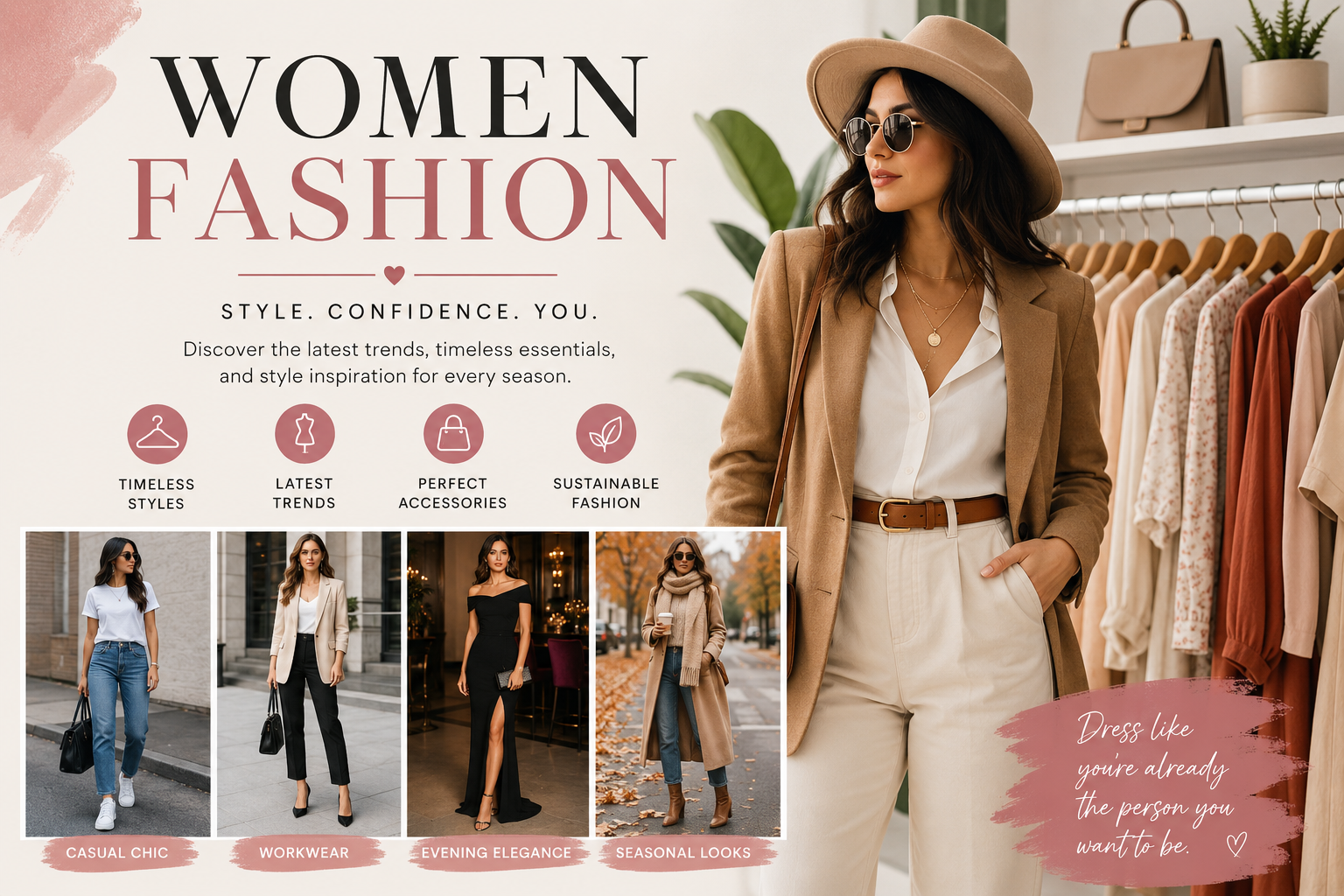
The beauty of fashion lies in its flexibility. A simple white shirt can be paired with jeans for a casual look or styled with a blazer and heels for a professional appearance. This versatility allows women to adapt their wardrobes to different occasions while maintaining their personal identity.
Evolution of Women Fashion
Women’s fashion has undergone remarkable changes throughout history. In earlier centuries, clothing often reflected social status and cultural traditions. Corsets, long gowns, and elaborate designs dominated many fashion eras. Over time, societal changes, technological advancements, and evolving attitudes toward gender roles transformed women’s clothing dramatically.
Today, fashion prioritizes both style and comfort. Women have access to countless options, from luxury designer collections to affordable everyday wear. The modern fashion industry embraces diversity, inclusivity, and innovation, making fashion more accessible than ever before.
Historical Influence on Modern Trends
Many contemporary trends draw inspiration from the past. Vintage silhouettes, classic tailoring, and retro accessories frequently return to fashion runways. Designers often reinterpret historical styles by combining traditional elements with modern aesthetics.
For example, wide-leg trousers, structured blazers, and midi dresses have roots in earlier fashion decades. Their continued popularity demonstrates how timeless designs can remain relevant while adapting to changing tastes and lifestyles.
The Impact of Global Fashion Culture
Globalization has significantly influenced women’s fashion. Social media, international fashion weeks, and digital shopping platforms allow trends to spread rapidly across continents. Women can discover styles from Paris, Milan, Tokyo, New York, and beyond with just a few clicks.
This global exchange has encouraged greater diversity in fashion. Traditional garments, cultural patterns, and regional craftsmanship are increasingly celebrated alongside contemporary designs. As a result, modern fashion reflects a rich blend of influences from around the world.
Essential Wardrobe Staples
A well-balanced wardrobe begins with versatile essentials that can be styled in multiple ways. These foundational pieces simplify daily outfit choices and provide endless styling opportunities.
Everyday Casual Wear
Casual fashion focuses on comfort without sacrificing style. Some timeless casual wardrobe staples include:
| Item | Why It’s Essential |
|---|---|
| White T-Shirt | Versatile and easy to style |
| Blue Jeans | Suitable for many occasions |
| Sneakers | Comfortable and fashionable |
| Denim Jacket | Perfect for layering |
| Basic Tops | Easy to mix and match |
These items create the foundation for countless outfit combinations. Adding a few trendy accessories can instantly refresh even the simplest look.
Professional Office Outfits
Professional fashion requires a balance between sophistication and comfort. Tailored blazers, structured trousers, pencil skirts, and elegant blouses remain popular choices for workplace attire. Neutral colors such as black, navy, beige, and gray offer versatility and professionalism.
Many modern workplaces encourage smart-casual dressing, allowing women to combine classic office pieces with contemporary styles. A fitted blazer paired with jeans and loafers, for example, creates a polished yet approachable appearance.
Evening and Party Fashion
Special occasions provide opportunities to experiment with glamour and elegance. Cocktail dresses, evening gowns, statement jewelry, and stylish heels are common choices for formal events. Fashion for these occasions often emphasizes luxurious fabrics, flattering silhouettes, and eye-catching details.
The key to successful evening fashion is balance. A bold dress may require minimal accessories, while a simple outfit can be elevated with striking jewelry or a designer handbag.
Popular Women Fashion Trends
Fashion trends evolve every season, influenced by designers, celebrities, social media creators, and consumer preferences. Several trends have gained significant popularity in recent years.
Sustainable Fashion
Sustainability has become one of the most important movements in the fashion industry. Consumers are increasingly seeking eco-friendly materials, ethical production practices, and long-lasting garments. Sustainable fashion encourages thoughtful purchasing decisions rather than excessive consumption.
Many brands now use recycled fabrics, organic cotton, and environmentally responsible manufacturing processes. This shift reflects growing awareness of fashion’s environmental impact and the desire for more responsible shopping habits.
Oversized and Relaxed Fits
Comfort-driven fashion continues to dominate wardrobes worldwide. Oversized blazers, loose trousers, relaxed shirts, and wide-leg jeans offer both style and practicality. These pieces create effortless, modern silhouettes while allowing greater freedom of movement.
The popularity of relaxed fits demonstrates how fashion has adapted to changing lifestyles. Women increasingly prioritize comfort without compromising on style or sophistication.
Bold Colors and Statement Pieces
Bright colors and statement designs have made a strong comeback. Vibrant shades such as red, emerald green, cobalt blue, and hot pink frequently appear in seasonal collections. These colors inject energy and personality into everyday outfits.
Statement pieces, including oversized accessories, unique handbags, and dramatic outerwear, allow women to create memorable looks with minimal effort. One standout item can transform an otherwise simple outfit into a fashion-forward ensemble.
Fashion for Different Seasons
Seasonal dressing helps women stay comfortable while maintaining style throughout the year. Understanding how to adapt clothing choices to changing weather conditions is essential for building a functional wardrobe.
Spring and Summer Styles
Warm-weather fashion often emphasizes lightweight fabrics, breathable materials, and vibrant colors. Cotton dresses, linen trousers, skirts, and sleeveless tops are popular choices during spring and summer. Floral patterns and pastel shades frequently appear during these seasons, reflecting the freshness of nature.
Comfort is especially important in hot weather. Lightweight fabrics help regulate body temperature while ensuring a polished appearance. Accessories such as sunglasses, hats, and sandals complete seasonal outfits while providing practical benefits.
Autumn and Winter Essentials
Cooler seasons require layering and insulation. Sweaters, coats, boots, scarves, and knitwear become wardrobe essentials during autumn and winter. Neutral tones often dominate cold-weather fashion, although rich colors like burgundy, forest green, and mustard remain popular.
Layering allows women to create stylish, adaptable outfits. Combining different textures and fabrics adds depth and visual interest while ensuring warmth and comfort throughout the day.
Accessories That Elevate Style
Accessories are often the finishing touch that transforms a good outfit into a great one. They provide opportunities to showcase personality and enhance overall appearance.
Bags, Shoes, and Jewelry
Handbags serve both functional and aesthetic purposes. From elegant clutches to spacious tote bags, the right handbag can complement an outfit while meeting practical needs. Shoes also play a critical role in fashion. Sneakers, heels, boots, and flats each contribute a distinct mood and style.
Jewelry adds sophistication and individuality. Whether choosing minimalist pieces or bold statement designs, jewelry can highlight personal taste and enhance outfit coordination.
Scarves, Belts, and Sunglasses
Smaller accessories often make a significant impact. Scarves introduce color and texture, belts define the waistline and create structure, while sunglasses provide both protection and style.
These versatile accessories allow women to refresh their wardrobes without investing in entirely new outfits. Strategic accessorizing can dramatically change the appearance of familiar clothing items.
Choosing Fashion According to Body Type
Fashion should celebrate individuality rather than impose rigid standards. Understanding body proportions helps women select clothing that enhances comfort and confidence.
Understanding Proportions
Different cuts and silhouettes complement different body shapes. A-line dresses, high-waisted trousers, wrap dresses, and tailored jackets are examples of garments that can create balanced proportions. The goal is not to follow strict rules but to identify styles that make the wearer feel comfortable and confident.
Experimentation plays an important role in discovering personal preferences. Fashion becomes more enjoyable when women focus on what feels right rather than chasing every trend.
Building Confidence Through Fashion
Confidence remains the most important element of any outfit. Clothing that fits well and aligns with personal style often creates a stronger impact than expensive designer labels. Fashion should empower women rather than create pressure or insecurity.
When women embrace their individuality and wear clothing that reflects their personality, they naturally project confidence. This confidence often becomes the most memorable aspect of their appearance.
The Future of Women Fashion
The future of women’s fashion is likely to be shaped by technology, sustainability, and personalization. Artificial intelligence, virtual fitting rooms, and digital fashion experiences are already transforming how consumers shop and interact with brands. These innovations promise greater convenience and customization.
At the same time, sustainability will continue influencing purchasing decisions and industry practices. Consumers increasingly value quality, durability, and ethical production over fast fashion trends. As fashion evolves, the focus will likely remain on creating clothing that balances style, comfort, innovation, and environmental responsibility.
Conclusion
Women’s fashion is a dynamic and ever-changing form of self-expression that extends far beyond clothing. It reflects personality, culture, confidence, and creativity while adapting to societal changes and emerging trends. From timeless wardrobe essentials and seasonal styling to sustainable practices and innovative technologies, fashion continues to evolve in exciting ways.
The most successful approach to fashion is one that combines personal style with comfort and confidence. Trends may come and go, but authenticity never goes out of style. By building a versatile wardrobe, embracing individuality, and making thoughtful fashion choices, women can create looks that not only appear stylish but also feel genuinely empowering.
FAQs
1. What are the essential clothing items every woman should own?
A white shirt, well-fitted jeans, a blazer, comfortable sneakers, a little black dress, and versatile accessories are considered wardrobe essentials.
2. How can women develop their personal style?
Women can develop personal style by exploring different fashion inspirations, experimenting with outfits, and identifying clothing that aligns with their personality and lifestyle.
3. Why is sustainable fashion becoming popular?
Sustainable fashion reduces environmental impact, promotes ethical production practices, and encourages consumers to invest in durable, high-quality clothing.
4. How can accessories improve an outfit?
Accessories add personality, balance, color, and sophistication, helping transform simple outfits into more polished and stylish looks.
5. What fashion trend is expected to grow in the future?
Sustainable fashion, personalized shopping experiences, and technology-driven innovations such as virtual fitting rooms are expected to play major roles in the future of fashion.