Understanding Modern Men’s Fashion
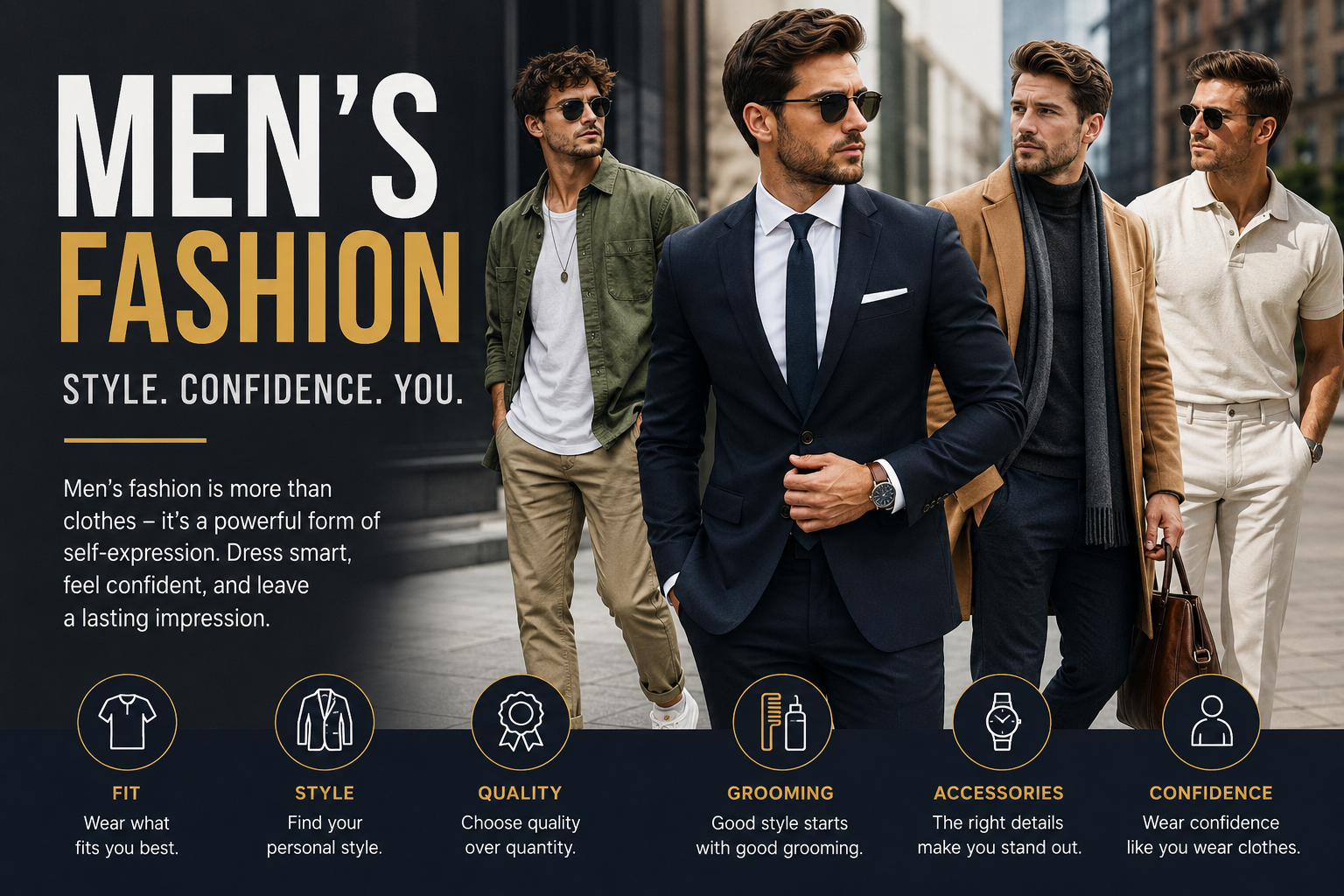
Men’s fashion has transformed dramatically over the past decade. It is no longer limited to a few standard outfits or rigid dress codes. Today, fashion is a powerful form of self-expression that allows men to communicate personality, confidence, and lifestyle without saying a word. Whether someone prefers classic tailoring, modern streetwear, minimalist clothing, or luxury fashion, there are countless ways to create a personal style that feels authentic and comfortable.
Fashion is often compared to a language. Just as words communicate thoughts, clothing communicates identity. The clothes a man wears can influence first impressions, professional opportunities, and even self-confidence. Studies in psychology have repeatedly shown that appearance can affect both how others perceive us and how we perceive ourselves. A well-dressed individual often feels more confident, focused, and prepared to face daily challenges.
The rise of social media, fashion influencers, online shopping platforms, and global fashion brands has also made style inspiration more accessible than ever before. Men can now explore trends from Milan, New York, Tokyo, London, and Paris with a simple scroll on their smartphones. This accessibility has encouraged more men to experiment with their appearance and develop a stronger understanding of personal style.
Why Fashion Matters for Men
Fashion matters because it influences perception. Whether attending a business meeting, a wedding, a casual gathering, or a first date, clothing helps create a lasting impression. A carefully selected outfit can communicate professionalism, creativity, attention to detail, and confidence.
Personal style also contributes to self-esteem. When a man wears clothes that fit well and align with his personality, he tends to feel more comfortable and confident. This confidence often extends beyond appearance into communication, work performance, and social interactions.
The Evolution of Men’s Style
Men’s fashion has evolved from highly formal attire in earlier centuries to a diverse range of styles today. Traditional suits once dominated wardrobes, while modern fashion embraces everything from relaxed streetwear to sophisticated luxury clothing. The shift reflects changing lifestyles, workplace cultures, and consumer preferences.
Technology and globalization have accelerated this evolution. Fashion trends spread rapidly across countries, creating a dynamic environment where classic elegance and contemporary innovation coexist.
Building a Strong Wardrobe Foundation
Creating a stylish wardrobe begins with building a solid foundation. Many men make the mistake of chasing trends without first establishing essential wardrobe pieces. Fashion trends come and go, but versatile basics remain valuable year after year.
A strong wardrobe typically includes well-fitted jeans, quality trousers, plain T-shirts, button-down shirts, a blazer, a tailored suit, neutral sweaters, and reliable footwear. These pieces serve as the building blocks for countless outfit combinations. Instead of owning dozens of low-quality items, investing in fewer high-quality garments often produces better results both aesthetically and financially.
Essential Clothing Every Man Should Own
Some wardrobe staples never go out of style. These include:
| Item | Purpose |
|---|---|
| White Dress Shirt | Formal and business occasions |
| Dark Jeans | Versatile casual wear |
| Navy Blazer | Smart casual and formal events |
| Black Dress Shoes | Professional and formal settings |
| Plain T-Shirts | Everyday casual styling |
| Tailored Suit | Weddings, meetings, and ceremonies |
These essentials provide flexibility and make dressing easier regardless of the occasion.
Choosing Quality Over Quantity
Quality clothing often lasts longer, fits better, and maintains its appearance after repeated use. Fabrics such as cotton, wool, linen, and premium blends generally offer greater durability and comfort. While quality items may cost more initially, they often deliver better long-term value.
A wardrobe built around quality pieces also creates a more refined appearance. Instead of constantly replacing worn-out clothing, investing strategically allows men to maintain a polished look for years.
Understanding Fit and Proportion
Fashion experts frequently emphasize one principle above all others: fit is king. Even the most expensive clothing can look unattractive if it fits poorly. On the other hand, affordable garments can appear premium when tailored correctly.
Proper fit enhances body proportions and creates a cleaner silhouette. Clothing should neither be excessively tight nor excessively loose. The goal is balance. Well-fitted garments highlight strengths while maintaining comfort and functionality.
The Importance of Proper Fit
A properly fitted jacket should sit comfortably on the shoulders. Shirt sleeves should end near the wrist bone, and trousers should have an appropriate break over shoes. These seemingly small details significantly influence overall appearance.
Tailoring is one of the most effective investments a man can make. Minor adjustments can transform average clothing into garments that appear custom-made.
Common Fit Mistakes to Avoid
Many men wear clothing that is too large because they prioritize comfort. Others choose excessively tight garments in pursuit of trendy aesthetics. Both approaches can create visual imbalance.
Common mistakes include oversized shoulders, excessively long sleeves, baggy trousers, and shirts that pull across the chest. Understanding body proportions helps eliminate these issues and creates a more polished look.
Casual Men’s Fashion
Casual fashion offers freedom, creativity, and comfort. It allows men to experiment with colors, textures, and layering while maintaining a relaxed appearance. Casual style does not mean careless dressing. In fact, achieving effortless style often requires thoughtful planning.
Today’s casual fashion landscape includes minimalist outfits, athletic-inspired clothing, streetwear, denim combinations, and smart casual ensembles. The key is finding a balance between comfort and sophistication.
Smart Casual Dressing
Smart casual is one of the most versatile dress codes in modern fashion. It combines formal and casual elements to create a refined yet approachable appearance. Examples include pairing dark jeans with a blazer, chinos with a button-down shirt, or loafers with tailored trousers.
This style works well for business-casual workplaces, dinner dates, networking events, and social gatherings. Smart casual dressing demonstrates style awareness without appearing overly formal.
Weekend and Streetwear Trends
Streetwear has become one of the most influential movements in men’s fashion. Inspired by skateboarding, hip-hop culture, and urban lifestyles, streetwear emphasizes comfort, individuality, and bold branding.
Popular streetwear items include oversized hoodies, sneakers, cargo pants, graphic T-shirts, and bomber jackets. The appeal lies in its ability to blend comfort with cultural relevance while allowing personal creativity.
Formal Men’s Fashion
Formal fashion remains an essential aspect of men’s style. Weddings, business meetings, corporate events, and ceremonial occasions often require polished attire. Understanding formalwear basics helps men navigate these situations confidently.
A well-fitted suit remains one of the most powerful garments a man can wear. It symbolizes professionalism, sophistication, and attention to detail.
Choosing the Right Suit
The ideal suit depends on body type, occasion, and personal preference. Navy, charcoal gray, and black suits are considered timeless choices because they offer versatility and elegance.
Fabric selection is equally important. Wool suits provide year-round functionality, while lighter materials such as linen are better suited for warmer climates. Proper tailoring ensures the suit complements the wearer’s physique.
Shirt and Tie Combinations
Successful formal dressing often depends on coordination. White and light-blue shirts pair well with most suits and ties. Pattern mixing should be approached carefully to avoid visual clutter.
A simple rule involves balancing colors and patterns. If the suit features subtle patterns, the shirt and tie should remain relatively simple. This creates harmony and sophistication.
Seasonal Men’s Fashion
Fashion changes with the seasons, and adapting clothing choices accordingly improves both comfort and style. Understanding seasonal dressing helps men remain fashionable while accommodating weather conditions.
Layering becomes especially important during transitional periods. Strategic layering allows flexibility and adds visual depth to outfits.
Spring and Summer Style
Warm-weather fashion prioritizes breathability and comfort. Linen shirts, lightweight cotton garments, polo shirts, shorts, and loafers become particularly useful during spring and summer.
Lighter colors also gain popularity because they reflect sunlight and create a fresh appearance. Shades of white, beige, light blue, and pastel tones often dominate seasonal collections.
Autumn and Winter Essentials
Cooler temperatures create opportunities for layering and texture. Sweaters, overcoats, wool trousers, scarves, and leather boots become wardrobe staples.
Winter fashion often emphasizes rich colors such as navy, burgundy, olive green, and charcoal. These tones complement seasonal fabrics and create a sophisticated aesthetic.
Accessories That Elevate Style
Accessories function like punctuation in a sentence. They complete an outfit and add personality without overwhelming the overall look. Even simple clothing combinations can appear significantly more stylish when paired with appropriate accessories.
The key is moderation. Effective accessorizing enhances an outfit rather than distracting from it.
Watches, Belts, and Shoes
A quality watch remains one of the most respected men’s accessories. Whether classic or contemporary, watches communicate taste and attention to detail.
Belts should generally coordinate with shoes in both color and formality. Footwear deserves special attention because shoes often attract immediate notice. Well-maintained shoes can dramatically improve overall presentation.
Bags, Sunglasses, and Jewelry
Modern men’s fashion increasingly embraces accessories such as leather bags, sunglasses, bracelets, rings, and necklaces. These items provide opportunities for personalization and self-expression.
Choosing accessories that align with personal style creates cohesion and prevents visual inconsistency.
Grooming and Personal Presentation
Fashion extends beyond clothing. Grooming plays an equally important role in overall appearance. Even expensive clothing can lose impact if paired with poor grooming habits.
A complete style strategy includes haircare, skincare, hygiene, and fragrance. These elements work together to create a polished and confident image.
Haircare and Skincare Basics
Healthy hair and skin contribute significantly to appearance. Consistent grooming routines help maintain cleanliness and confidence. Regular haircuts, proper cleansing, and moisturizing can produce noticeable improvements.
Skincare has become increasingly popular among men because it supports both health and appearance. Simple routines often deliver substantial benefits.
Fragrance and Personal Hygiene
Fragrance creates a memorable impression. Choosing a scent that complements personality and occasion can enhance confidence and attractiveness.
Personal hygiene remains foundational. Clean clothing, fresh breath, and proper grooming habits reflect respect for oneself and others.
Sustainable Fashion for Men
Sustainability has become one of the most important topics in the fashion industry. Consumers are increasingly aware of environmental challenges associated with clothing production and waste.
Many brands now focus on ethical sourcing, recycled materials, and environmentally responsible manufacturing processes. This shift allows consumers to make fashion choices that align with broader social values.
Eco-Friendly Clothing Choices
Sustainable fashion encourages thoughtful purchasing habits. Instead of buying large quantities of inexpensive garments, consumers focus on durable, versatile items with longer life cycles.
Organic cotton, recycled fabrics, ethical production methods, and second-hand shopping contribute to a more sustainable fashion ecosystem. These choices reduce waste while promoting responsible consumption.
Future Trends in Men’s Fashion
The future of men’s fashion combines technology, sustainability, personalization, and innovation. Consumer expectations continue to evolve as digital experiences become increasingly integrated into everyday life.
Fashion brands are responding through advanced manufacturing techniques, virtual shopping experiences, and customized product offerings.
Technology and Fashion Innovation
Emerging technologies are reshaping the fashion landscape. Artificial intelligence helps brands predict trends, improve inventory management, and personalize recommendations. Virtual fitting rooms allow customers to visualize clothing before purchasing.
Smart fabrics and wearable technology are also gaining attention. These innovations demonstrate how fashion can combine aesthetics with functionality, creating exciting possibilities for future generations of consumers.
Conclusion
Men’s fashion is far more than clothing. It is a powerful tool for self-expression, confidence, communication, and personal development. A stylish wardrobe does not require unlimited spending or constant trend chasing. Instead, success comes from understanding fit, investing in quality essentials, maintaining good grooming habits, and developing a personal style that feels authentic.
Fashion is ultimately a journey rather than a destination. Trends will change, brands will evolve, and preferences will shift over time. The most stylish men are not necessarily those who follow every trend but those who understand themselves and dress with confidence. By focusing on timeless principles while remaining open to innovation, any man can create a wardrobe that reflects his personality and supports his goals.
FAQs
1. What is the most important rule in men’s fashion?
The most important rule is ensuring proper fit. Well-fitted clothing almost always looks better than expensive clothing with poor fit.
2. How can men look stylish on a budget?
Focus on versatile basics, neutral colors, quality essentials, and proper tailoring. Building a small but functional wardrobe is often more effective than buying many inexpensive items.
3. What colors should every man have in his wardrobe?
Navy, black, white, gray, and beige are versatile colors that pair easily with most outfits and occasions.
4. Are fashion trends necessary to follow?
No. Trends can provide inspiration, but personal style should always take priority over temporary fashion movements.
5. How often should a man update his wardrobe?
Wardrobes should be reviewed seasonally. Replace worn items as needed and gradually introduce new pieces that align with personal style and lifestyle needs.